
By Rebecca Bazant, Assistant Archivist
As a student interested in a career in heritage and archives, my summer job through the Young Canada Works program has provided me with invaluable experience. Hired as an Assistant Archivist for the United Farmers Historical Society (UFHS), I have had the opportunity to learn all sorts of different skills, from description to digitization to social media outreach. Thanks to the efforts of our archivist, Erin Hoar, I not only gained relevant archival skills, but also had the chance to explore other institutions in Calgary and across Canada. Through my time here at UFHS, I have learned about the value of accessibility and community outreach in the field.
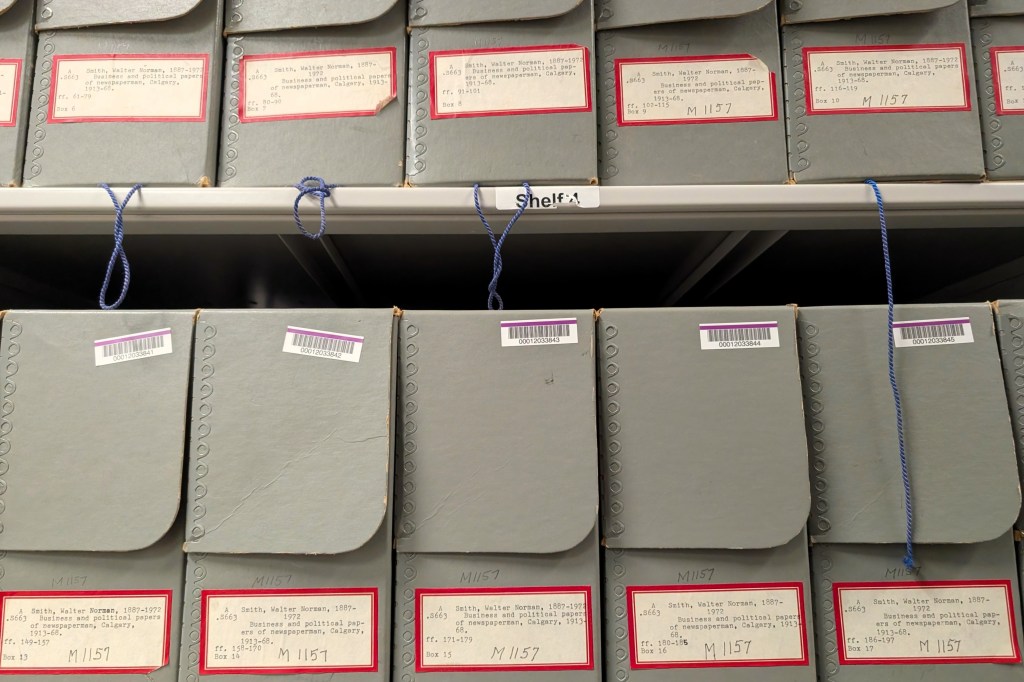
File boxes, taken during our tour of the University of Calgary Archives (Erin Hoar, 2026).
Day-to-day Activities in the Archives
For my main project this summer, I was tasked with processing and describing two large series (Series 24 & 25) belonging to the UFHS’ biggest collection: the United Farmers of Alberta Co-operative Fonds. Before diving into such expansive series, I started with the much smaller U.F.A. Limited Fonds, which gave me a good base to build from. As this is my first time working in an archive-specific context, beginning with the U.F.A. Limited Fonds allowed me to learn the basics of RAD (Rules of Archival Description) when creating finding aids. Funnily enough, the dating formats took the longest to remember- they are more complicated than one might think. Most importantly, I was taught about our responsibility as archivists to implement best practices.
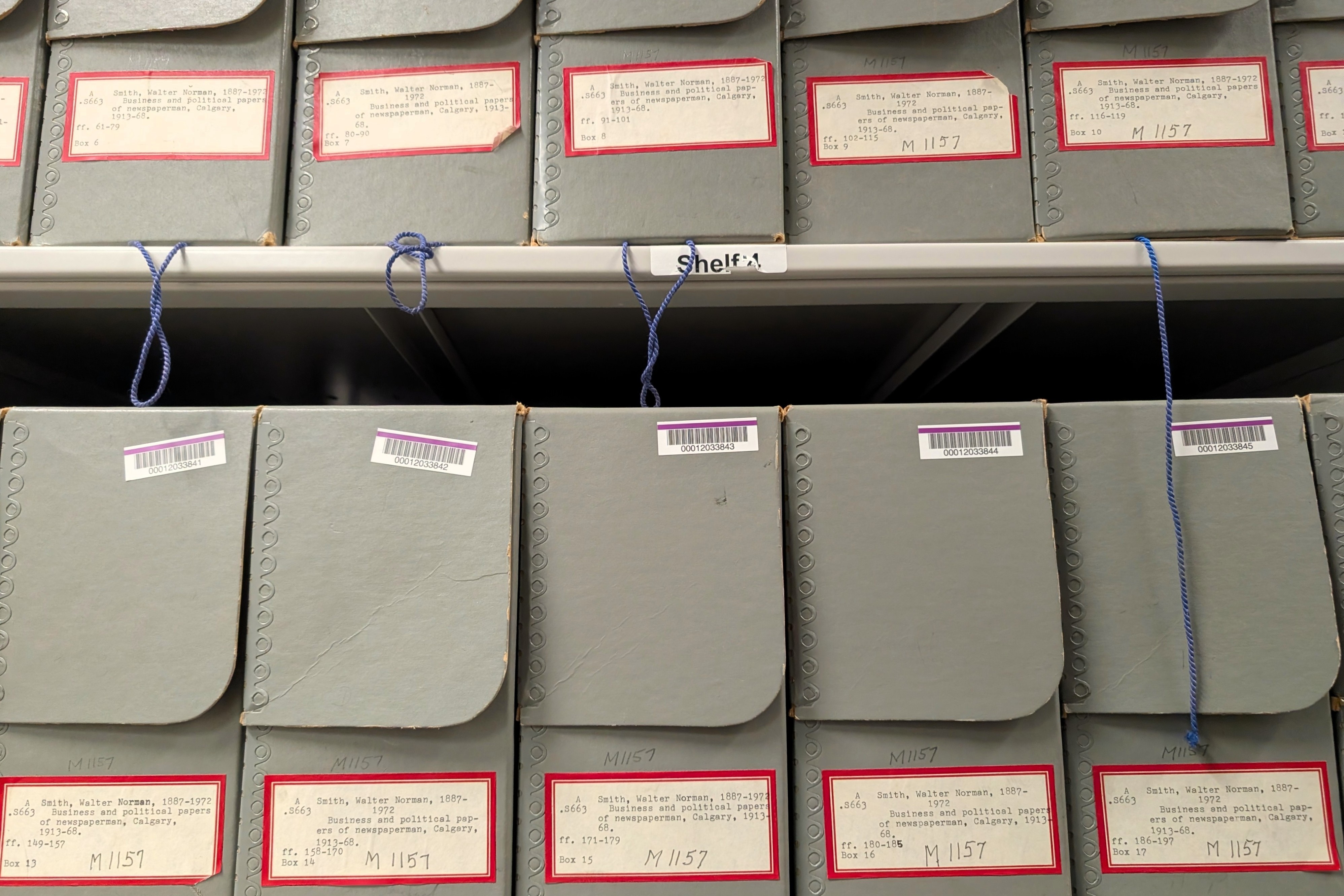
Once completed, I could then move on to my main task for the summer. My favourite part of this project is the variety of material I get to work with, including documents of all kinds- like pamphlets, meeting minutes, letters, newspapers and legal texts, alongside photographs, photo negatives, photographic slides, CDs, VHS tapes and even physical objects like plaques and belt buckles. Each type of material requires different handling and description procedures to ensure its preservation. Newspapers, CDs, photographs, photo negatives and slides all need to be placed in specific containers to prevent their deterioration. Non-archival material, like objects, present an interesting challenge. As the UFHS is an archival institution without the infrastructure for artifacts like a museum would have, each artifact must be managed given its context- whether that be putting it on display or securely storing it.
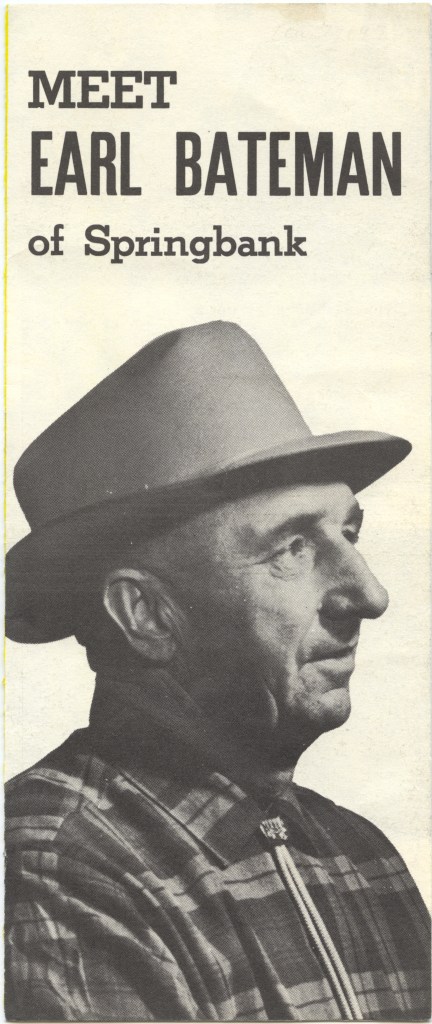
Once the material was described and safely contained, I continued with digitization. To make the my finding aids accessible, each description is added to our online database using software called InMagic DB/TextWorks. When completed, anyone from the public can use the newly added files through our website for research or personal interest. If a file contained photographs, I usually scanned those using the UFHS’ Epson V750 Pro. To do so, I was also introduced to a program called VueScan. When scanning a photograph, it creates two files at the same time- one preservation copy (.tif) and one display copy (.jpg), which saves us quite a bit of work. Given that digitization is becoming an increasingly sizable portion of archival activities, as technology continues to develop, I appreciate that I got to use a diverse array of new software and tools.
Accessibility & Outreach
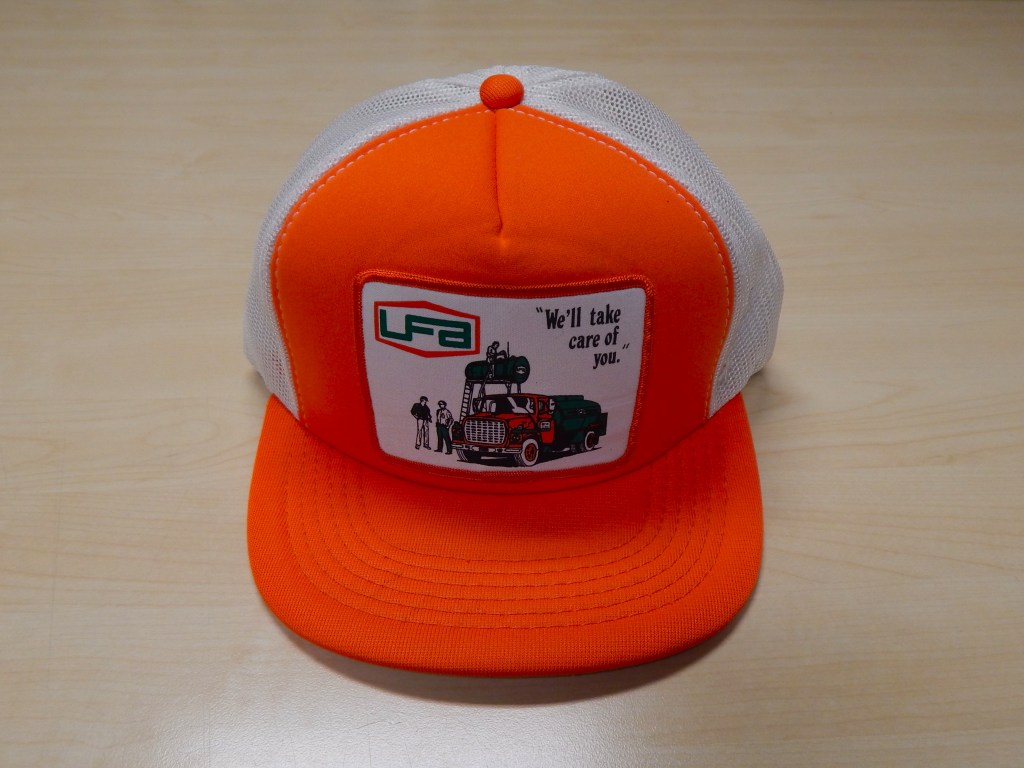
Alongside processing and describing fonds, I have also done much social media outreach throughout the summer. Actively posting on social media is essential to making our archives accessible and supporting community engagement. If nobody knows about us, they cannot use our resources- and social media, whether it be Facebook, LinkedIn or YouTube, provides the fastest and easiest form of communication and connection. In May, I created a social media campaign designed to span four months, using the many UFA hats that we have slowly accumulated here. I also helped with other weekly posts, like for Stampede week, Archives Canada hashtag parties and Throwback Thursdays. Just like digitization, social media usage continues to grow at a monumental pace. Incorporating archival material into the online landscape is an ability that I can see myself using all the time in the future.
The Blog
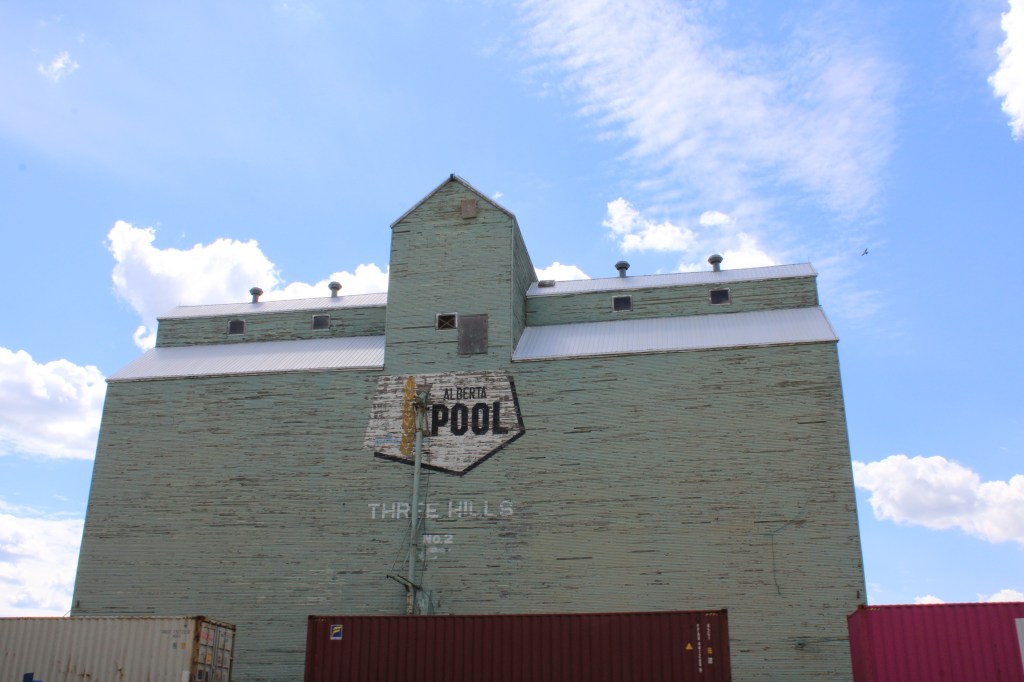
My last main project for the summer was to write a blog post on a topic of my choosing. I decided to focus on early grain elevator history in Alberta and soon began my research. Through this task, I used primary source material from an archive, which I had never done before. Now having gained this experience, I will definitely use other archives for future research, whether it be for school or for fun. Furthermore, the blog post allowed me to learn a new style of writing. As a student, I have become very used to writing academic papers, which require a high level of formality and sophistication. For the blog, I had to take a step back and write historically, focusing on reader engagement and comprehension. I very much enjoyed this process and can see myself applying these skills both in my job and in a scholarly context.
Beyond UFHS
Outside of the day-to-day activities in the archives, I was fortunate to have the chance to explore other institutions. Early in the summer, I visited the Kneehill Museum in Three Hills to bring UFA-related artifacts for their new media room. The field trip was both fun and educational, allowing me to engage directly with local communities impacted by UFA and its history. Additionally, I toured two larger institutions: the University of Calgary Archives and Special Collections and the Mount Royal University Archives. Both experiences highlighted the uniqueness of each collection, whether it be in size or in material. In June, I also attended the annual Association of Canadian Archivists conference online, listening to the presentations of numerous different archivists across the country. The conference helped me understand the true breadth of what an archive can be, including the variety of subjects and types of work one can do in the field, as well as the types of challenges one might run into. Taken together, my experiences outside of the UFHS greatly expanded my perspective on archives as a whole.
Conclusion
My time at UFHS has given me a wealth of useful experiences and new skill sets to build upon. The knowledge I gained can not only be applied to future archival positions, but also in other heritage positions and in an academic context. Now, at the end of the summer, I am very motivated to continue building on what I have learned. I highly recommend to all those interested in pursuing archives in the future to consider applying for a YCW position.


This blog has provided really good insight into your experiences in your summer job as well as the incredible and vast work that is done by the UFA Historical Society. Seems like a very valuable use of the Youth Canada Works funding. All the best for your future!
LikeLike