
By Rebecca Bazant, Assistant Archivist
Once a ubiquitous part of the Canadian prairie landscape, grain elevators lined CPR and CNR railways, delivering crops from coast to coast. The towering buildings were essential to farming infrastructure, allowing for the storage and distribution of bulk harvests. Before this innovation, farmers had to do most of the grain transportation by hand. To lighten the load, hundreds of elevators were constructed across Alberta in just a few short decades. Today, very few of these iconic structures remain. So- where did all these elevators come from so quickly?
Origins of the Grain Elevator
At the turn of the 20th century, it was becoming obvious that elevators were the way of the future. Gone were the days of the back-breaking task of shoveling grain into sack after sack. Now, a newer, more efficient method for transporting grain was emerging, that saved farmers both time and energy. Soon, grain elevators began to replace loading platforms and warehouses along railways. The CPR, having observed the change in technology, decided to give free sites to companies willing to construct elevators, while refusing to provide cars to warehouses. Using the grain elevator was now the only major option.
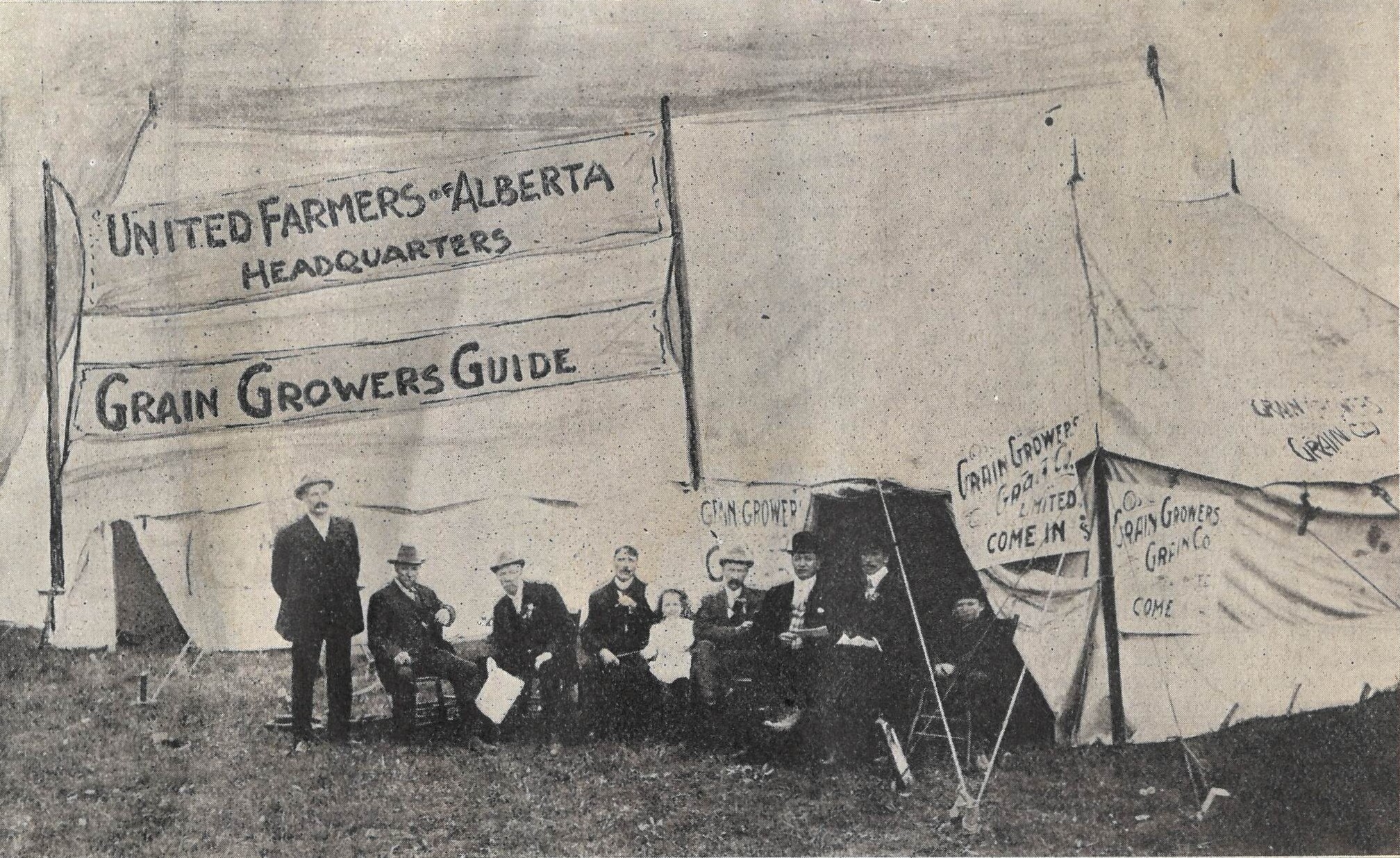
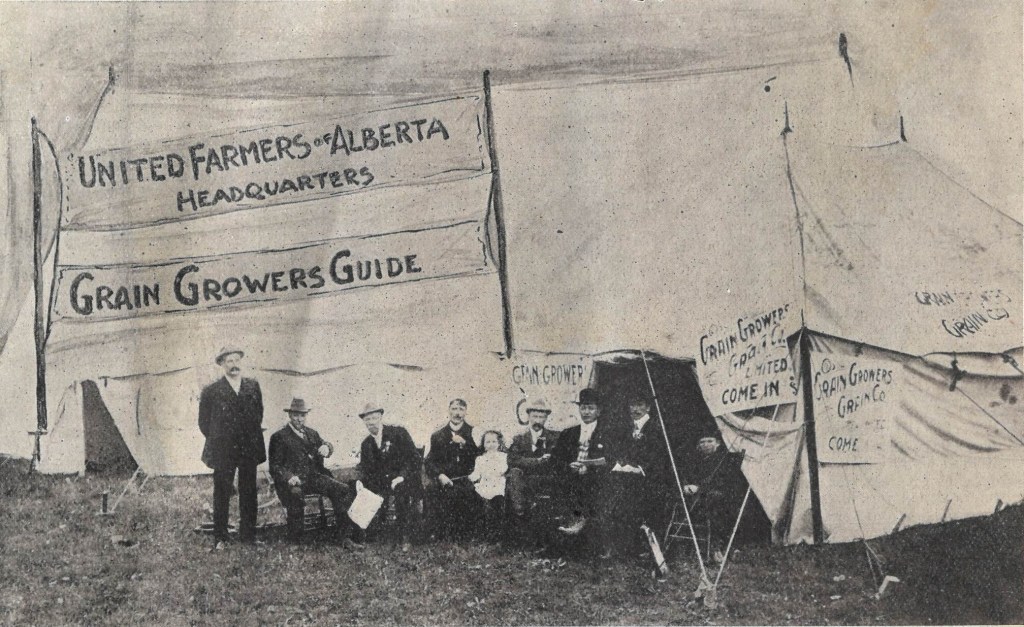
The United Farmers of Alberta (UFA) has been involved in the grain industry from the start. As an advocacy group for farmers, they were especially concerned by the activities of private enterprise. In the early 20th century, farmers had no choice but to rely on private companies and privately-owned elevators to sell their bushels. Exploiting this reliance, the companies took the chance to form the Northwest Grain Dealers Association (NGDA). Its members participated in cartel price fixing, even supposedly going so far as to contact each other every day to fix the floor price of grain. By doing so, NGDA members were able to pocket money for themselves, leaving farmers feeling used, and their labour undervalued. Thus, at their founding meeting in 1909, the newly established United Farmers of Alberta knew they had to act.
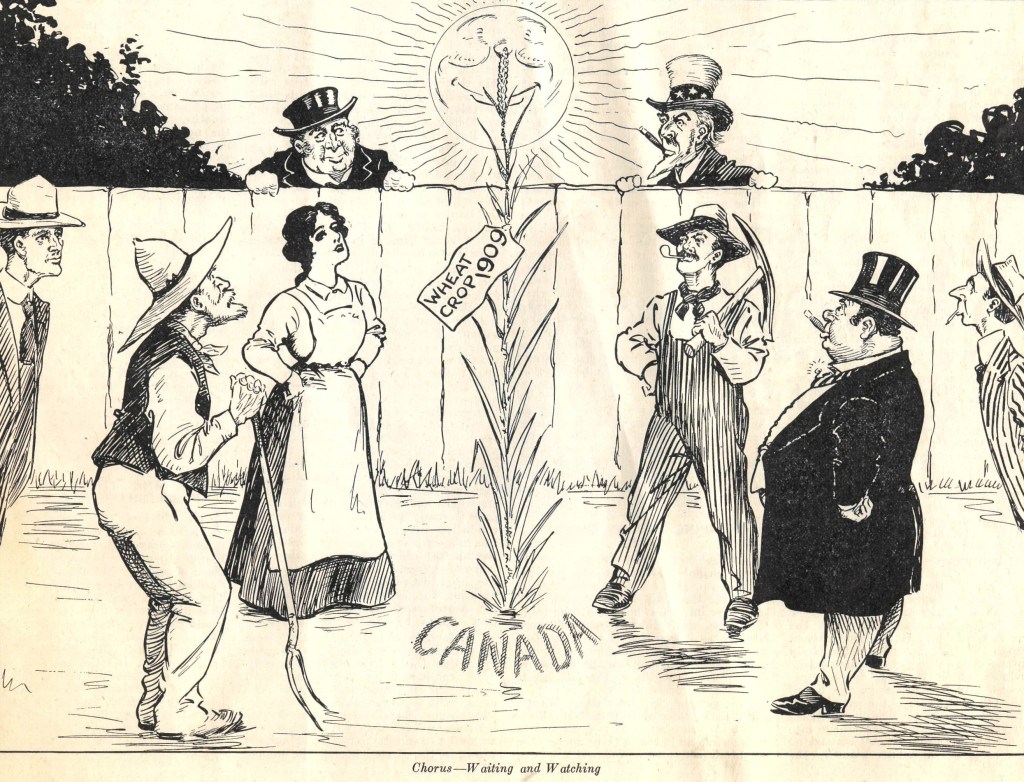
To the east of Alberta, many of the same problems were occurring. In response, Saskatchewan farmers formed the Saskatchewan Co-operative Elevator Company (SCEC), with the help of public loans ensured by the provincial government. Further east, in Manitoba, a small group of farmers, led by E.A. Partridge of Sintaluta, established the Grain Growers’ Grain Company (GGGC) in 1906 to market grain. In the beginning, the company did not operate elevators, instead leasing 174 facilities from the Manitoba government. With some baseline security and income, they could then begin to purchase and construct elevators themselves. As the first farmer-owned and farmer-managed co-operative handling company in western Canada, the GGGC paved the way for many other grassroots organizations to come. Although their rapid growth was not without obstacles nor setbacks, it proved to many that they could put their trust in elevator co-operatives, as reliable, farmer-oriented enterprises.
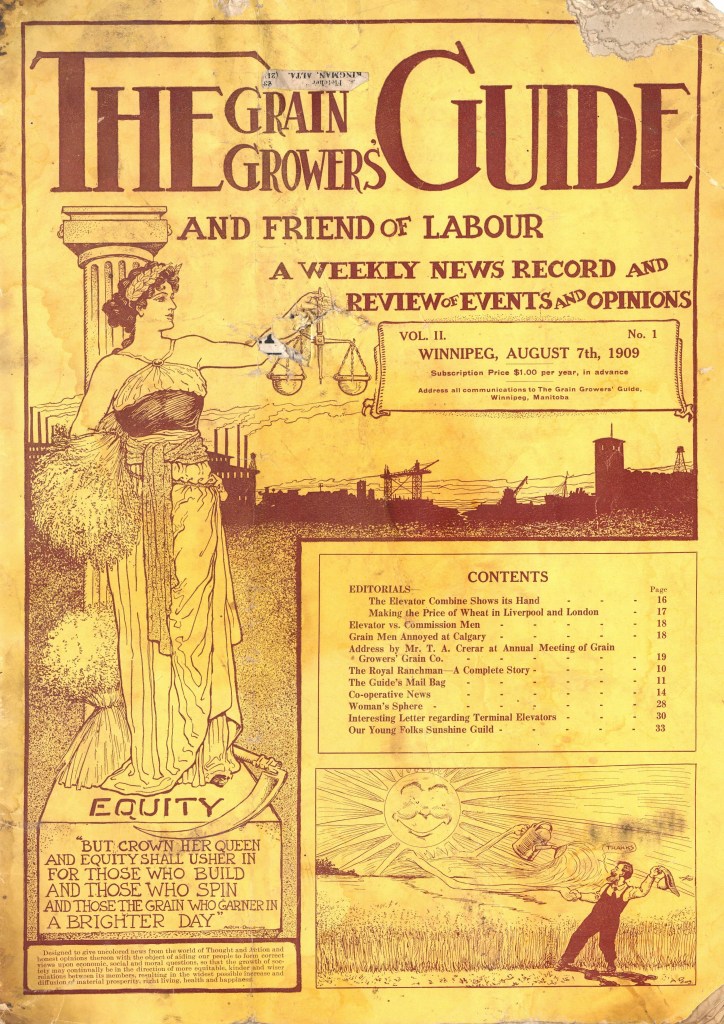
Owning grain elevators was not the end of the GGGC’s ambitions. Published for the first time in 1908, the Grain Growers Guide featured all sorts of news articles, opinion pieces, advice columns, and advertisements from writers across Alberta, Saskatchewan, and Manitoba. The series grabbed the attention of farmers and quickly took off, becoming one of the most popular farm newspapers in western Canada during the 1910s. Much like what the UFA would eventually attempt themselves, the GGGC also ventured into selling farm supplies. Sensing that farmers were searching for reasonably priced wholesale goods, they created the Cooperative Supply Department. First, they sold standard farm supplies, and later ventured into farm machinery. Capitalizing on their many new-found successes, the GGGC was officially incorporated in 1913– and this was just the start. By 1917, the company owned 60 elevators and operated another 137 on lease, still eager to expand.
UFA Gets Involved
Modelling themselves on their prairie counterparts, the UFA agreed to form an elevator committee during their first annual meeting for the purpose of advocating for public ownership. The committee initially chose to follow the SCEC model, using government-backed loans. They were not initially drawn to the GGGC, as they disliked how it was originally organized. To accomplish this goal, UFA members Edwin Carswell and William Tregillus spearheaded the creation of the Alberta Farmers Co-operative Elevator Company (AFCEC), incorporated in 1913. Tregillus became the company’s first-ever president, while Caswell acted as vice-president. Unfortunately, the UFA’s plan did not go entirely as expected. The Alberta Premier at the time, liberal Arthur Sifton, agreed to grant most of the elevator committee’s desires, but refused to finance the project. There would be no government-backed loans. Desperate to get started, the AFCEC was forced to go directly to the banks for money. More roadblocks would soon appear. As they had little capital behind them, the banks insisted on a guarantor. Luckily for the AFCEC, another organization was eager to set foot in Alberta. In their moment of need, the GGGC stepped in to help. They backed $300,000 worth of AFCEC loans, while the provincial government conceded to support 85% of the loans needed to purchase and build new elevators. Finally, the AFCEC could commence operations.
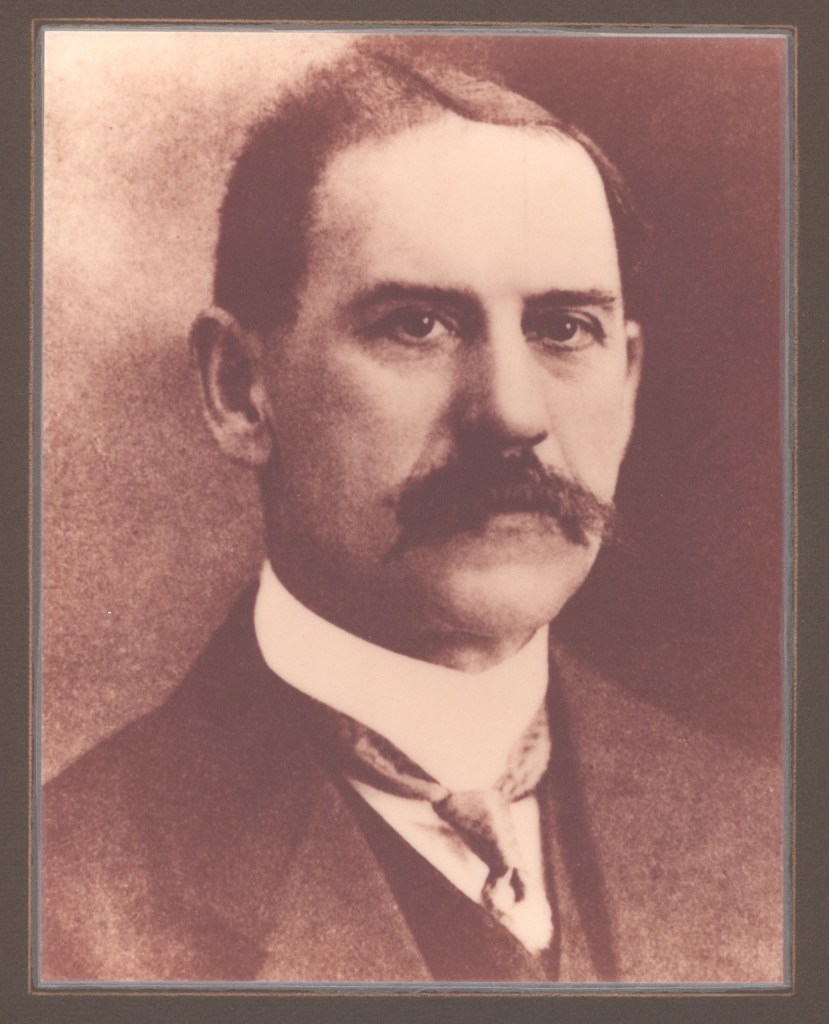
Like the GGGC, the AFCEC’s success exploded. In their first year of business alone, they handled more than 4 million bushels of grain and operated 52 elevators. Earning the loyalty of farmers was a top priority. As the war in Europe began, grain prices increased. Once again, private companies attempted to exploit the situation. They bought grain at track prices and then resold them at street price, pocketing the difference for themselves- up to seven cents a bushel. The AFCEC, however, refused to let this slide. They paid the street price directly. Instead of skimming money into their own pockets, they simply took a commission. Through their economic policies, which increased competition, the AFCEC brought the track and street prices down to four cents, limiting private companies’ ability to extract profit. Additionally, the UFA dipped its toes into the world of the wholesale supply business through the AFCEC, as an experiment with the enterprise. They initially sold sacked flour and grain, expanding to coal, lumber, twine, fence posts, wire, and salt for cows. This marks the beginning of what we know as the UFA today. All things considered, the AFCEC had been a great success for the organization.
The Emergence of the United Grain Growers
All the while, negotiations had been underway between the AFCEC, the SCEC, and the GGGC for a merger. They wanted to prevent excessive competition between them, which would violate their principles as co-operatives. But, in 1914, the negotiations had stalled out. Already a self-sufficient and highly successful organization, the SCEC opted to remain as an independent company. Yet, Cecil Rice-Jones continued to meet with GGGC president Thomas Crerar- their discussions proving to be much more fruitful. At the AFCEC’s 1915 annual meeting, a resolution was unanimously agreed upon to permit an amalgamation with the GGGC. Details still needed to be ironed out. For instance, the AFCEC still disliked the way the GGGC was organized. Before the merger, they stipulated that the GGGC institute delegate representation and voting based on Locals and District Locals, eliminating their system of proxy voting. The goal was to align with a standard co-operative structure, where each person got one vote, promoting equality between all members. Both companies continued to operate independently for another two years, until 1917, when the AFCEC ceased to exist, and the United Grain Growers (UGG) was born.
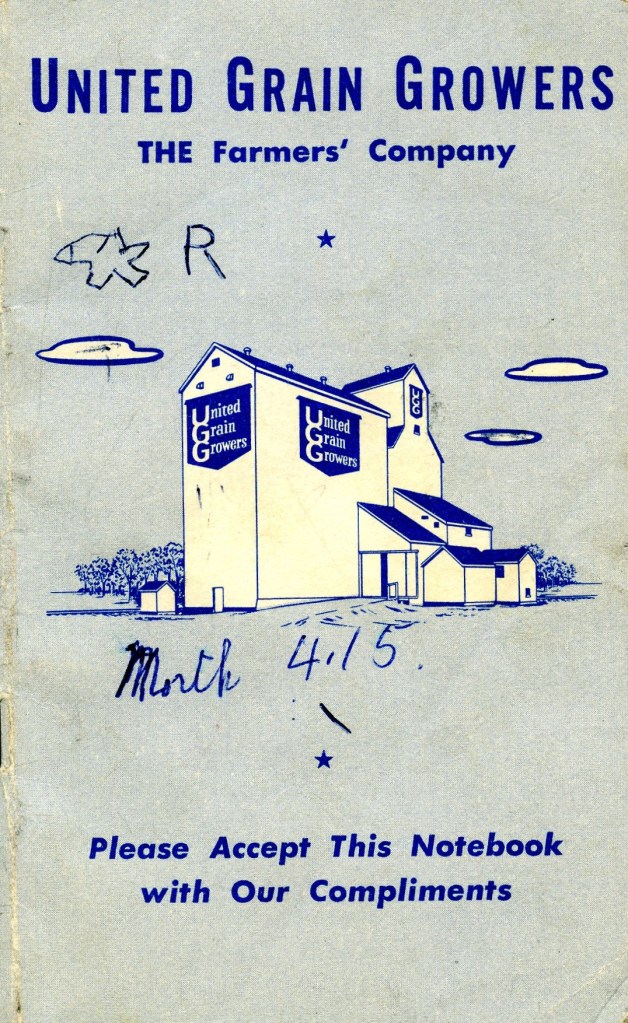
The UGG was a great success that the UFA had fostered and supported. In their first year as the UGG, the company had expanded to 343 elevators, operating nearly 10% of all facilities across the prairies. However, the amalgamation set the UFA back, both on the business side of things, and with their members, who were left searching for alternative sources for farm supplies. Furthermore, once the merger was completed, Cecil Rice-Jones relinquished his membership with the UFA to become the vice-president of the UGG, alongside every single AFCEC local. As a result, the UFA started moving towards other solutions to fill in this gap.
UGG & the Alberta Wheat Pool
The UFA found their solution not long after. In 1919, by the end of the first world war, wheat prices in Alberta dropped from $2.21 a bushel down to 65 cents. Wheat made up more than 50% of the total income made by farmers. Other crops also experienced a notable decrease in price. As farmers’ debts increased, the prairie provinces began to urge their governments to form wheat boards. Searching for a better method for grain marketing, the UFA formed a committee for the purpose of creating a wheat pool. Thus, in 1923, the Alberta Wheat Pool was created. Its goals were to stabilize the price of wheat throughout the year, avoiding fluctuations, and to give farmers more bargaining power. It immediately gained 26,000 members from the UFA. Starting in 1925, the Pool ventured into grain elevators, operating three total. Their venture proved to be incredibly popular, and by 1930 they were already operating 439 elevators.
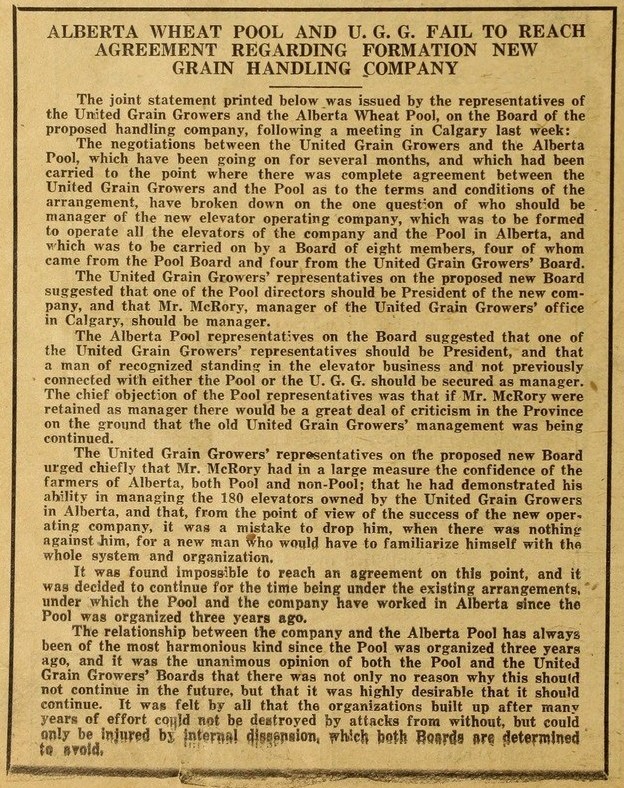
While the Pool and the UGG initially started off on friendly terms, their relationship soon deteriorated. Thomas Crerar, president of the UGG, had little interest in the Pool system, believing the grain exchange to be a source of news from other markets rather than a marketing organization itself. Moreover, the Pool’s entry into grain elevators caused a considerable amount of tension with the UGG. The U.F.A. newspaper published an article in July of 1926, detailing the failure of the Alberta Wheat Pool and the UGG to reach an agreement regarding the formation of a new grain handling company. The article describes the relationship between the two companies as having “always been of the most harmonious kind since the Pool was organized three years ago,” yet they continued to butt heads. At the decade’s end, their relationship had broken down completely. Instead of co-operating harmoniously, they became fierce rivals, competing for the same customers. Thus, the UFA’s strong connection to the UGG had come to an end, as they continued to support the activities of the Pool.
Conclusion
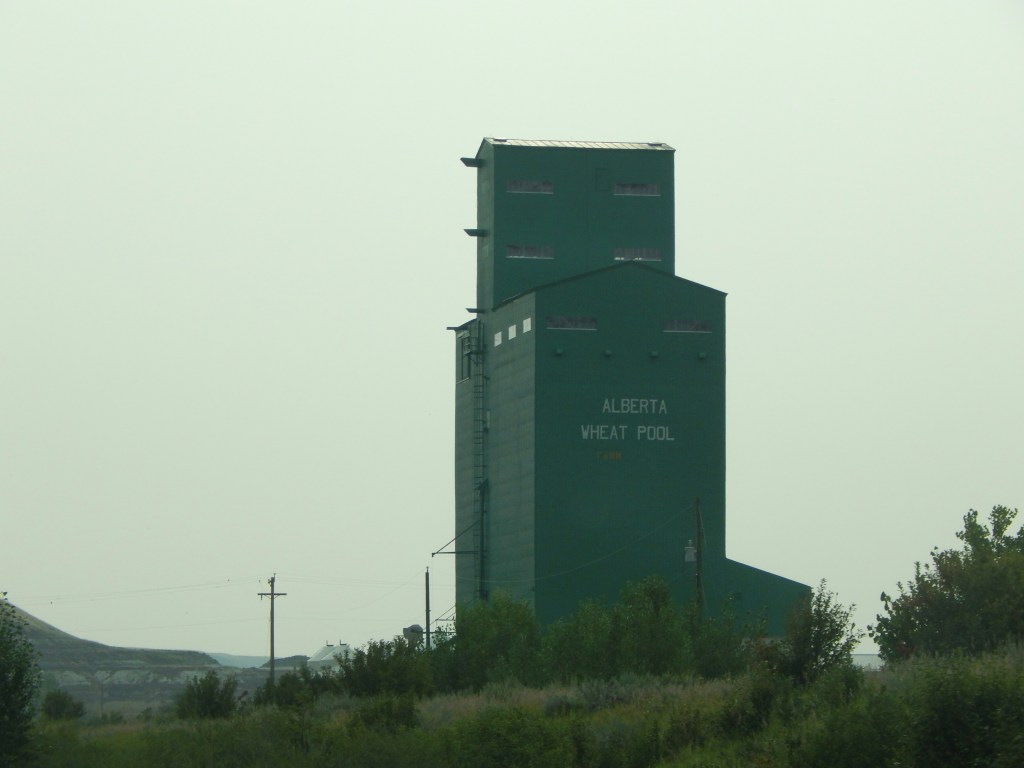
Both the Pool and the UGG continued on separately as successful businesses for many more years. They had both started off strongly supported by UFA, seeking to improve the lives of farmers across the province, not only by implementing newfound technology, but by advocating for and instituting its public ownership. Through organizations like the AFCEC, the UGG and the Pool, it did not take long for the influence of the grain elevator to become widespread throughout the prairies. However, as the 20th century dragged on, the elevator boom began to decline. Less and less grain transportation was being done by train. Railway lines to small towns were dug up, and their elevators abandoned. It is in these circumstances, nearing the start of the 21st century, that the two companies met once more.
The Alberta Wheat Pool and the United Grain Growers joined together again more than eight decades later, when Agricore United was formed in 2001. The Alberta Wheat Pool had already merged with the Manitoba Wheat Pool to form Agricore, thus ending its operations in 1998. Finally, in 2007, Agricore United merged with the Saskatchewan Wheat Pool, now known as Viterra Inc., a multi-national company, and has since merged with Bunge Global. Today, a large number of the elevators once owned by the Pool and the UGG have been torn down. Abandoned, they pose a large fire risk. Yet, as of 2026, it is still possible to see their remnants littered across the Albertan countryside– the lingering ghosts of the agrarian movement in the early 20th century.
Bibliography
Alberta Wheat Pool. The Story of the Alberta Wheat Pool: “Farmer owned co-operative”. S.N., 1951. Retrieved from http://peel.library.ualberta.ca/bibliography/7244.html.
“Alberta Wheat Pool and U.G.G. Fail to Reach Agreement Regarding Formation New Grain Handling Company.” The U.F.A. 5, no. 19 (1926): 18. https://ufhsarchives.andornot.net/permalink/theufav5n19ufoa-18.
Alberta Wheat Pool Collection (Fonds 35). In custody of the United Farmers Historical Society. https://archives.ufa.com/permalink/descriptions8752.
“Bunge and Viterra Complete Merger to Create Premier Global Agribusiness Solutions Company.” Viterra: The Agricultural Network. July 2, 2025. https://www.viterra.ca/en/Media-and-Insights/News-Releases/bunge-and-viterra-complete-merger-to-create-premier-global-agribusiness-solutions-company.
Earl, Paul D. The Rise and Fall of United Grain Growers: Cooperatives, Market Regulation, and Free Enterprise. University of Manitoba Press, 2019.
Nesbitt, Leonard D. Tides in the West: A Wheat Pool Story. Modern Press, 1962.
“The Grain Growers Guide.” Manitoba Grain Growers’ Association 2, no. 1 (1909). (Fonds 28, Series 1, File 1). In custody of the United Farmers Historical Society. https://ufhsarchives.andornot.net/permalink/descriptions8681.
Tolton, Gord. Deep Roots. Promising Future. UFA, 2009. Retrieved from https://ufhsarchives.andornot.net/viewer/deep-roots-promising-future?p=12&type=static.
United Grain Growers Collection (Fonds 28). In custody of the United Farmers Historical Society. https://ufhsarchives.andornot.net/permalink/descriptions8680.
United Grain Growers Limited Fonds. In custody of the University of Manitoba Archives & Special Collections. https://archives.lib.umanitoba.ca/collections/complete_holdings/ead/html/uggpc.shtml.
United Grain Growers promotional notebook. (Fonds 28, Series 1, File 6). In custody of the United Farmers Historical Society. https://ufhsarchives.andornot.net/permalink/descriptions2409.
William Tregillus. (Fonds 55, Series 1, File 2). In custody of the United Farmers Historical Society. https://ufhsarchives.andornot.net/permalink/descriptions12563.


Informative article and well written, kudos
LikeLike